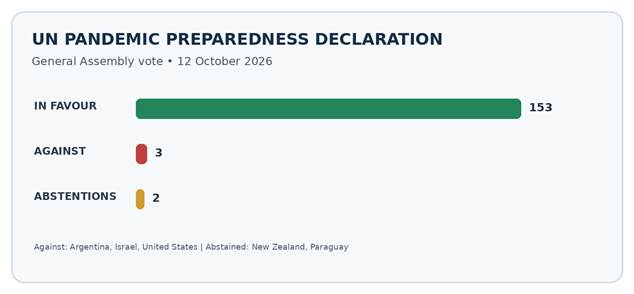
Figure 1. Original infographic summarising the reported vote. Voting figures and country names are sourced from UN News reporting.
On 12 October 2026, the United Nations General Assembly adopted a political declaration on pandemic prevention, preparedness and response by 153 votes in favour, three against and two abstentions. Argentina, Israel and the United States voted against; New Zealand and Paraguay abstained. The draft had been considered at a high-level meeting on 25 September, but reservations prevented consensus adoption then, so it was referred to the full General Assembly for a vote. [UN News via Global Issues (2026)]; [UN General Assembly (2026b)].
preparedness
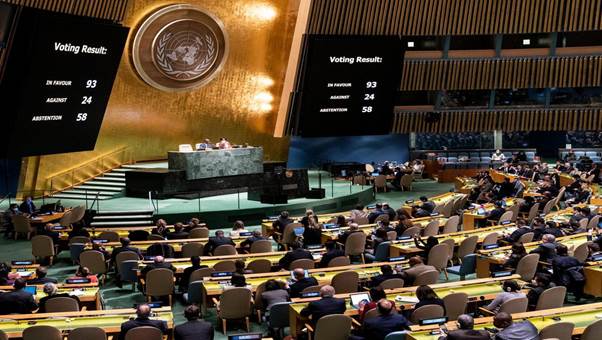
United Nation Resolution
The World Health Organization welcomed the declaration, saying it reaffirms international solidarity and calls for sustained investment in national, regional and global capacities to prevent, detect and respond to pandemic threats. The declaration is political and non-binding, so its practical effect depends on implementation and continued cooperation by governments. [WHO (2026)]; [UN News via Global Issues (2026)]. The declaration encourages countries to improve early warning and monitoring, strengthen health systems and national preparedness, implement the amended International Health Regulations (2005), empower communities, expand research and local or regional manufacturing, improve timely access to pathogens and equitable benefit-sharing, and secure sustainable financing.
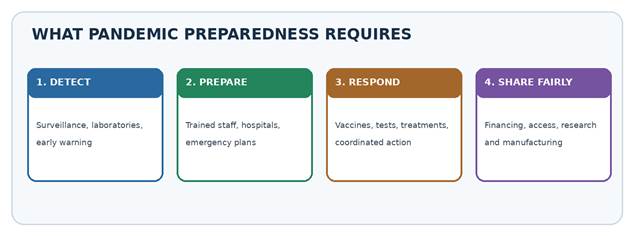
Figure 2. Original infographic showing four core preparedness functions; it is an explanatory graphic created for this report, not an official UN illustration.
These priorities are described in the WHO statement welcoming the declaration and in the UN’s outline of the high-level meeting. [WHO (2026)]; [UN General Assembly (2026a)]
Previously, COVID-19 showed how quickly outbreaks can cross borders and overwhelm hospitals, laboratories, medical supply chains and economies. It also exposed unequal access to vaccines, diagnostic tests, treatments and protective equipment. Preparedness therefore requires action before an emergency: surveillance, trained staff, strong routine health services, emergency plans, research capacity and reliable distribution systems. [WHO (2025)]; [UN General Assembly (2026a)]. The vote demonstrates broad political support for coordinated action, but it does not mean all governments agree on every element of global health governance. A vote against the declaration should not automatically be interpreted as opposition to every form of international pandemic cooperation.

Unted Nation Voting
The reported vote was 153 in favour, three against Argentina, Israel and the United States—and two abstentions—New Zealand and Paraguay. Devex reported that the United States objected to references involving WHO-led processes, including the WHO Pandemic Agreement and amended International Health Regulations, as well as wording concerning equity and other policy areas. These explanations should be attributed to the reporting and U.S. statements rather than assumed to explain every country’s vote. [UN News via Global Issues (2026)]; [Devex (2026)]. The October 2026 UN declaration is distinct from the WHO Pandemic Agreement adopted by the World Health Assembly in May 2025. The UN declaration is a political, non-binding statement. The separate WHO agreement requires further work, notably negotiations on the Pathogen Access and Benefit Sharing (PABS) annex, before it can be opened for signature and proceed through the relevant legal steps. [WHO (2026)]; [WHO (2025)]. The proposed PABS system is intended to govern access to pathogens with pandemic potential and related genetic sequence information, while providing for equitable sharing of benefits from their use. The central issue is how countries that contribute samples or data can also benefit from resulting vaccines, diagnostics and treatments. WHO said the negotiations would be considered at the next World Health Assembly in May 2027 or earlier through a special session. [WHO (2026)]. For Nigeria and other African countries, the declaration may support advocacy for stronger disease surveillance, laboratory networks, healthcare workforce development, local vaccine and pharmaceutical manufacturing, research partnerships and more predictable financing. Greater regional capacity can reduce dependence on emergency imports and help countries respond more quickly. These benefits are potential rather than guaranteed. The declaration does not itself provide funding or guarantee access to vaccines and treatments. Results will depend on national implementation, sustained investment, cooperation with WHO and regional institutions, and whether pathogen-sharing arrangements deliver fair benefits to countries contributing samples and data. [WHO (2026)]; [UN General Assembly (2026a)].The successful implementation of this adoption will depend on Financing, Capacity gaps, Political disagreement, Accountability. WHO has urged governments to complete the PABS annex negotiations. The declaration’s impact will ultimately be judged by whether countries detect outbreaks earlier, respond more effectively and provide more equitable access to essential health products. [WHO (2026)]. The General Assembly’s adoption of the declaration by 153 votes to three marks broad political support for stronger pandemic prevention, preparedness and response. It renews attention to early warning, resilient health systems, scientific cooperation, sustainable financing and equitable access to medical products. However, it is not a substitute for implementation or for the separate legal and technical steps associated with the WHO Pandemic Agreement. Its impact will depend on governments turning political commitments into funded, practical and accountable action. [UN News via Global Issues (2026)]; [WHO (2026)]