
Europe is experiencing a fresh wave of demonstrations led by students, young people, workers and other citizens protesting against economic hardship, inadequate public services, education costs, housing unaffordability and political dissatisfaction. France has emerged as a major focal point, with protests inspiring or coinciding with demonstrations in Belgium, Portugal, Italy, Albania, Spain and other European countries. Recent reporting from 17 October 2026 describes a particularly turbulent period in France, alongside demonstrations in Belgium, Italy and Portugal. Student-led protests have also continued in Albania, while demonstrations over housing and living costs have added to the wider atmosphere of discontent across Europe. Germany has seen a solidarity demonstration in Berlin, although the scale and causes of protests differ from country to country.(https://www.google.com/s2/favicons?domain=https://www.reuters.com\&sz=32.
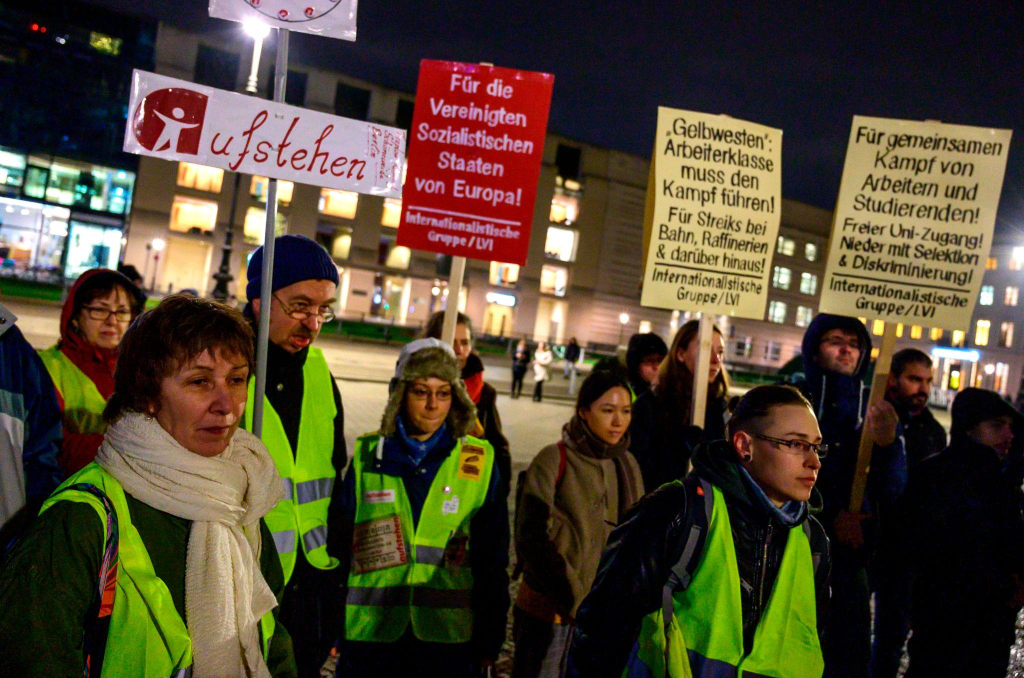
Germany Protest
France has become the most prominent center of the current unrest. What began with high-school students protesting against education-related problems has expanded into a broader expression of frustration over living standards, inequality, public spending and the quality of public services. According to Reuters, demonstrations on 17 October drew approximately 550,000 participants nationwide, according to the French Interior Ministry, while the CGT trade union estimated attendance at 800,000. The government reported around 1,200 arrests and more than 150 injured police officers. These figures come from different sources and should be attributed accordingly. https://www.google.com/s2/favicons?domain=https://www.reuters.com\&sz=32). Some of the issues for the protests were:
- Education funding: Students have raised concerns about teacher shortages, overcrowded classrooms, inadequate school facilities and the need for better learning conditions.
- Cost of living: Higher everyday expenses have intensified pressure on young people, working families and low-income households.
- Social inequality: Demonstrators have criticised what they perceive as an unequal distribution of economic opportunities and public resources.
- Public services: Concerns about government spending priorities and declining service quality have broadened the protests beyond schools.
- Political dissatisfaction: Some protesters have directed their anger at President Emmanuel Macron’s administration and the wider political establishment.

Belgium Protest
Reuters reported that some demonstrations escalated into looting, fires, attacks on police and damage to public buildings. In Limoges, a fire severely damaged the town hall, while public buildings and commercial properties were also targeted elsewhere. These acts were not representative of every demonstrator: large numbers participated in peaceful marches, while authorities blamed violent groups and criminal elements for some of the disorder. (https://www.google.com/s2/favicons?domain=https://www.reuters.com\&sz=32). The police response has itself become a major issue. Reports of serious injuries among young protesters, including a teenager who lost a hand after an incident involving a stun grenade, have prompted scrutiny of crowd-control tactics and demands for investigations. (https://www.google.com/s2/favicons?domain=https://apnews.com\&sz=32).
However, Belgium seems to be learning fast as Belgium is among the countries where the connection with France’s student protests is particularly clear. Demonstrations in Liège and Brussels have focused on education reforms, rising university fees, school conditions and fears that budget cuts could make education less accessible. On 17 October, several hundred mostly young demonstrators gathered in Brussels, where clashes with police resulted in the use of tear gas and water cannons. Reuters reported that some protesters overturned a car, while authorities condemned the violence. Student concerns have also included difficulties accessing learning materials and the affordability of higher education. (https://www.google.com/s2/favicons?domain=https://www.reuters.com\&sz=32). The unrest reflects a broader disagreement over whether governments should prioritise budget restraint or increase investment in schools and universities. (https://www.reuters.com/world/protesters-clash-with-police-brussels-2026-10-17/?utm_source=chatgpt.com).
Furthermore, Portugal is not left out as its demonstrations have placed greater emphasis on the cost of living than on education alone. In Lisbon, tens of thousands of people reportedly took to the streets on 17 October to protest against low wages, expensive housing and rising everyday expenses. (https://www.google.com/s2/favicons?domain=https://www.aljazeera.com\&sz=32). Three major issues have contributed to the public anger:
- Housing affordability: Rising property prices and rents have made it increasingly difficult for young people and lower-income families to secure accommodation in major cities.
- Low wages: Many workers argue that their earnings have not kept pace with living expenses.
- Economic insecurity: The combined costs of housing, transport, energy and other necessities have increased pressure on household budgets.
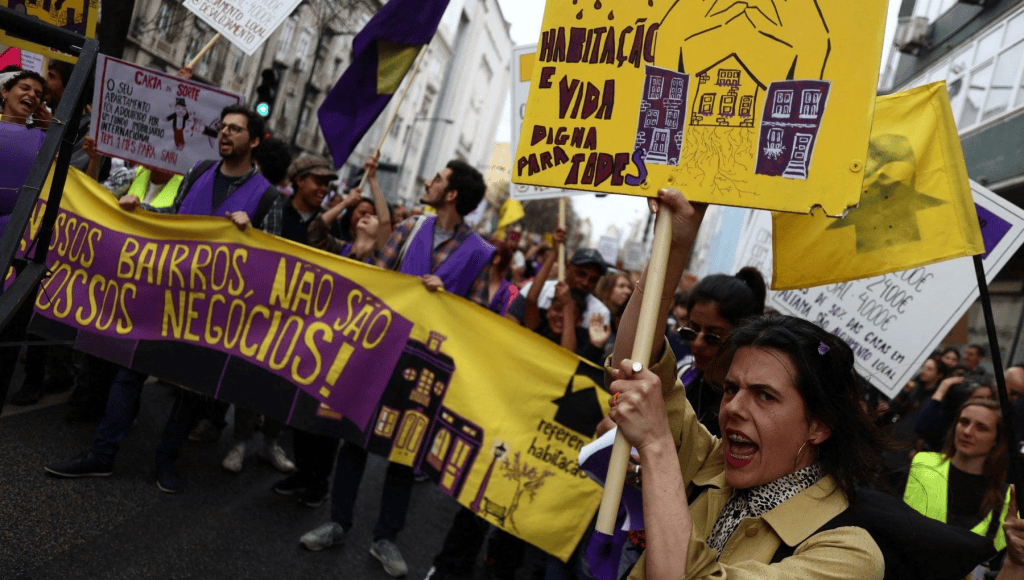
Portugal Protest
The housing crisis is particularly important for younger generations who may struggle to leave the family home, establish independent households or save for the future. Portugal’s demonstrations show how a wave of public discontent can extend beyond schools. Even when the immediate trigger is different, young people’s concerns about opportunity, financial independence and their prospects for adulthood can overlap with those expressed by French students.(https://www.aljazeera.com/news/2026/10/17/cost-of-living-protests-hit-belgium-italy-portugal-and-france?utm_source=chatgpt.com).
Moreover, Italy is not left out as the country has experienced both student activism over education and wider demonstrations against rising living costs. The French protests have become a reference point for some Italian students, with reports of school occupations in cities such as Turin and Rome under the slogan “Let’s do as in France.”(https://www.google.com/s2/favicons?domain=https://www.axios.com\&sz=32).
The movement’s cross-border appeal appears to result from a combination of direct inspiration and shared economic pressures. Students in Belgium and Italy have explicitly drawn comparisons with France, while demonstrations elsewhere have emerged around locally specific issues. The distinction matters: similar grievances can produce simultaneous protests without requiring a single organiser, political ideology or coordinated campaign across all nine countries. One of the most important questions behind the demonstrations is how European governments should allocate limited public resources. Governments facing deficits, rising borrowing costs or pressure to control expenditure may seek to limit spending or reform public services. Students and workers, meanwhile, may argue that education, housing support and other services are already underfunded. This creates a difficult policy trade-off:
- Reducing expenditure may help governments pursue fiscal targets but can intensify concerns about service quality and access.
- Increasing public investment may address urgent needs but requires sustainable financing and clear priorities.
- Failing to communicate or implement credible reforms can deepen distrust and make demonstrations harder to resolve.
France’s protests have brought this tension into sharp focus. Similar questions are evident in the education funding debate in Austria and Belgium, while Portugal and Spain demonstrate the additional pressures created by housing costs.(https://www.google.com/s2/favicons?domain=https://www.axios.com\&sz=32).


