Ethiopia Conflicts call for concern
Ethiopian federal forces and allied militia have reportedly retaken Alamata, a strategically important town in southern Tigray, after several days of renewed fighting with Tigrayan forces. The development represents a significant reversal of the advance launched by Tigrayan forces the previous week and raises fresh concerns that Ethiopia could be entering another major phase of the conflict that devastated Tigray between 2020 and 2022. (Reuters). On 28 September 2026, Reuters reported that Ethiopia’s military and allied militiamen had captured Alamata. A pro-government group, the Tigrai Peace Force, released video showing soldiers moving through the town carrying Ethiopian flags. Reuters said the footage was verified, while two diplomatic sources also confirmed that Alamata had fallen. A source linked to pro-opposition forces said Tigrayan fighters were retreating and expected federal forces to take control. (Reuters). The wording is important because communications from the conflict zone can be difficult to independently verify. Nevertheless, reporting from Reuters and Africanews/AP indicates that federal forces had regained the town. Conflict monitor ACLED also confirmed reports that federal forces had seized Alamata. (Africanews). Alamata is approximately 120 kilometres south of Mekelle, the capital of Tigray. It sits along an important highway connecting Tigray with central Ethiopia, giving the town considerable military and logistical importance. (Reuters).
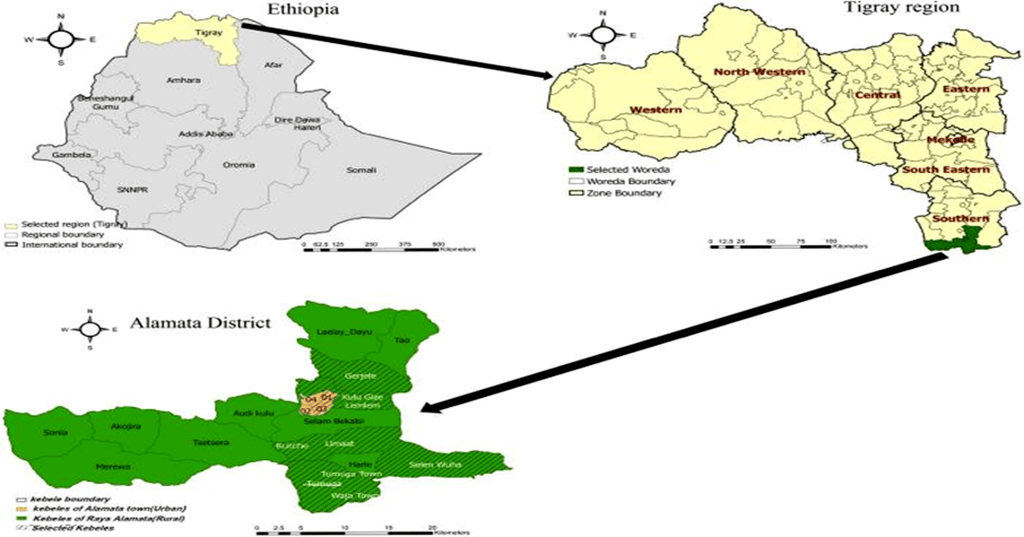
Ethiopia Map Detailing Tigray region
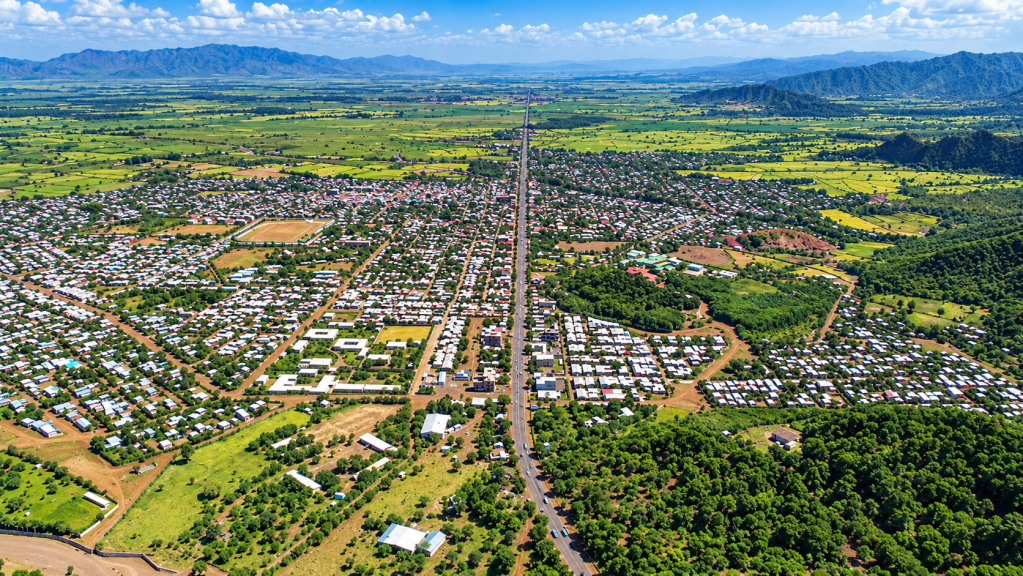
Tigray landscape
Alamata is important partly because of its geographical position. It lies near the boundary between Tigray and Amhara and on a major road running into Tigray. The town has also been one of the most disputed locations in the region. Before the latest fighting, its political and territorial status remained connected to the unresolved disputes surrounding areas claimed by both Tigray and Amhara. DW reported in August that Alamata was already experiencing increased military activity and that residents were concerned about renewed fighting. (DW). The Control of Alamata can therefore provide military forces with: access to major road networks; a position from which to move forces toward or away from southern Tigray; logistical access between Tigray and neighbouring Amhara; a symbolic territorial gain in an area disputed since the earlier war; and a potential staging area for further military operations. Its capture does not, however, by itself mean that either side has achieved control over the wider Tigray conflict.

Map showing Alamata Strategic position
The immediate background to the Alamata development was a major offensive launched by forces associated with the Tigray People’s Liberation Front (TPLF). Reuters reported on 23 September that forces from Tigray had launched a major offensive against the Ethiopian federal government. Tigrayan leaders described their actions as a defensive war, while Ethiopian authorities characterized the developments as an offensive against the federal government. (MarketScreener). The fighting reportedly spread across several areas rather than being confined to Alamata. Tigrayan forces also made advances into Afar, where they captured the strategic town of Erebti. At the same time, fighting was reported in parts of the neighboring Amhara region. (ABC News). The federal government’s recovery of Alamata therefore represents a reversal of part of the Tigrayan advance. The renewed fighting is particularly significant because it threatens the peace arrangement that ended the previous Tigray war. The previous conflict began in November 2020, when fighting erupted between the Ethiopian federal government and forces controlled by the TPLF. The war lasted approximately two years and resulted in enormous civilian suffering, displacement and destruction. The parties eventually signed the Pretoria Agreement in November 2022 under African Union mediation. The agreement was designed to end hostilities, facilitate disarmament and restore federal authority while establishing a framework for political reconciliation. (ECOI). The agreement ended the large-scale war, but several important disputes remained unresolved. These included territorial questions, the return of displaced people, political disagreements and the full implementation of the peace agreement. Consequently, the latest fighting did not emerge from an entirely settled political environment. Alamata’s significance is partly related to the longstanding dispute between Tigray and Amhara. During the 2020–2022 war, forces associated with Amhara took control of parts of western and southern Tigray. The territorial question remained unresolved after the Pretoria agreement. DW reported in August 2026 that Alamata had become one of the most contested areas since the original Tigray conflict and that its status had not been conclusively resolved by the Pretoria peace process. (DW). This means that fighting around Alamata has both a military dimension and a territorial and political dimension. The renewed fighting is also creating immediate humanitarian concerns. The medical organization Médecins Sans Frontières (MSF) reported a sharp increase in wounded people arriving at hospitals in the region. AP reported that the number of patients in Korem and Alamata hospitals increased from around 180 to more than 420 within 48 hours, while approximately 300 wounded people had arrived at Suhul Hospital during the previous week. (ABC News). These figures illustrate how quickly renewed military operations can overwhelm medical facilities in northern Ethiopia. The humanitarian consequences are particularly concerning because Tigray is still dealing with the consequences of the 2020–2022 war, including displacement and damaged infrastructure. Moreover, the latest fighting is also attracting attention because Ethiopia’s military leadership has accused neighboring countries of supporting Tigrayan forces. According to AP, Ethiopian army chief Field Marshal Birhanu Jula accused Eritrea of providing financial support to the TPLF and suggested that Sudan and Egypt could also be involved. (ABC News). These allegations are politically and diplomatically sensitive. However, Eritrea and Sudan have denied the accusations, meaning they should be treated as claims by Ethiopian authorities rather than established facts. (ABC News). The allegations are nevertheless important because they demonstrate how the renewed Tigray fighting could become connected to wider disputes in the Horn of Africa. Ethiopia and Eritrea were on the same side during much of the 2020–2022 Tigray war, when Eritrean forces fought alongside Ethiopian federal forces against the TPLF. The relationship has since become considerably more complicated. Ethiopia’s interest in securing reliable access to the Red Sea and its disputes with Eritrea have added another layer to regional tensions. The possibility of renewed confrontation involving Ethiopia, Eritrea and Tigrayan forces has therefore become a major concern for regional observers. However, it is important not to equate accusations of foreign involvement with independently established evidence. The current reporting establishes that Ethiopian officials have made the accusations; it does not independently establish every allegation.