Rev. Ezekiel Dachomo, a Church of Christ in Nations (COCIN) regional chairman from Barkin Ladi, Plateau State, has arrived in Israel as part of an international advocacy campaign over killings and insecurity affecting Christian communities in Nigeria. According to Nigerian reports published on October 3, 2026, Dachomo arrived in Israel on October 2 and intends to use the trip to draw international attention to violence in Plateau State and the wider Middle Belt. (The Times Nigeria).

Rev. Ezekiel Dachomo
Dachomo has described the violence as a “Christian genocide.” That characterization, however, remains contested. Nigerian government officials have rejected the genocide allegation, while international religious-freedom organizations have documented serious violence against Christians but also stress that Nigeria’s conflict has multiple religious, ethnic, criminal, political and resource-related dimensions. (USCIRF). Reports say Dachomo wants to present his concerns directly to Israeli Prime Minister Benjamin Netanyahu, although it was not clear from the reports whether a private meeting with Netanyahu had actually been secured. His stated objective is to bring greater international attention to killings in Plateau State and other parts of Nigeria. (The Times Nigeria). Dachomo has also said that the Israeli visit is part of his first international Christian advocacy campaign. He is expected to meet Christian leaders and prayer groups from several countries during the trip. His programme reportedly includes prayer activities focused on Nigeria’s security crisis and the victims of violence regardless of religious or ethnic identity. (Politics Nigeria). The cleric has become increasingly prominent in discussions about violence in Plateau State because of his involvement in funerals for victims and his public calls for greater international attention to attacks against communities in the state. Dachomo’s advocacy predates the current Israeli visit.
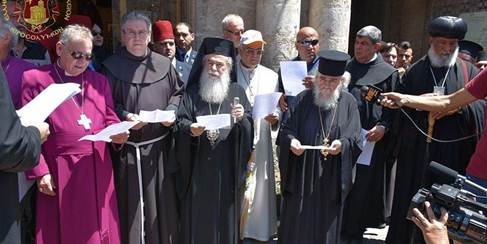
Christian gathering
In 2025, he attracted international attention after presiding over the burial of Christian victims of attacks in Plateau State. Christianity Today reported that he had publicly appealed to international institutions and foreign governments to respond to what he described as an ongoing genocide against Christians. (Christianity Today). In November 2025, Punch reported that Dachomo was documenting attacks and visiting affected communities and burial sites. He said he intended to compile evidence for presentation to the international community and threatened legal action at the International Criminal Court over alleged atrocities. (Punch Newspapers). His campaign has therefore developed from local advocacy into an effort to internationalize the issue. Plateau is one of Nigeria’s Middle Belt states and has experienced recurring violence involving farming communities, pastoralists, armed groups and criminal networks. Religious identity often overlaps with these conflicts, with many affected farming communities being predominantly Christian and many pastoralist communities being predominantly Muslim. The U.S. Commission on International Religious Freedom (USCIRF) reported in 2026 that Fulani militants had carried out some of the most serious attacks affecting religious communities in Nigeria, frequently but not exclusively against Christians. It specifically documented attacks against Christian communities in the Middle Belt. (USCIRF). USCIRF’s 2026 annual report said that ethnic Fulani militants attacked villages and churches in 2025, including an attack in Plateau in March in which at least 52 people were killed and Christian residents were displaced. The report also described kidnappings and killings affecting Christian religious figures in other parts of the country. (USCIRF). The violence has continued into 2026. Nigeria’s Catholic Secretariat, for example, condemned the killing of 27 people in attacks in Plateau communities on March 29, 2026, and called for the perpetrators to be arrested and prosecuted. (Von News). Nigeria’s National Human Rights Commission has likewise expressed concern about escalating killings in Plateau and Benue, warning that farmer-herder conflicts can develop into ethnic, religious and communal tensions. (Nigeria Rights Commission). The situation is not limited to Plateau. States including Benue, Kaduna, Niger, Nasarawa and parts of the North-West and North-East have experienced combinations of terrorism, kidnapping, communal violence and farmer-herder conflict. One particularly severe example was the June 2025 Yelwata massacre in Benue State, in which approximately 150 people were killed. In February 2026, Nigerian prosecutors filed terrorism-related charges against nine suspects in connection with the massacre. (Reuters). The violence has consequently become an international human-rights and religious-freedom issue, attracting attention from the United States and other international organizations.
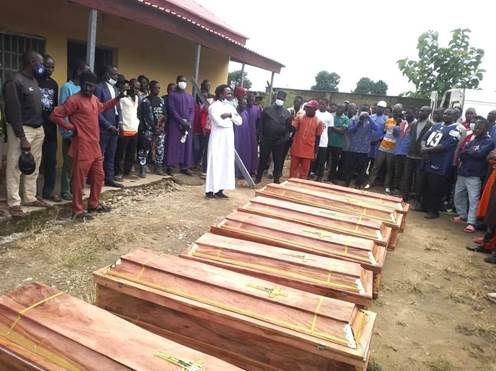
Yelwata Massacre
Dachomo and some Christian organizations and advocates use the term “genocide” to describe what they regard as systematic attacks against Christian communities. They point to repeated killings, destruction of villages and churches, displacement and attacks allegedly committed by armed groups against predominantly Christian farming communities. (Christianity Today). There is documented evidence that Christians have suffered serious and sometimes explicitly religiously motivated violence. USCIRF’s 2026 reporting states that religious communities in Nigeria continue to face severe attacks and that Fulani militants have frequently attacked Christians. (USCIRF). The Christian Association of Nigeria (CAN) has taken a position that acknowledges the severity of attacks against Christians while calling for protection of all Nigerians. In an October 2025 statement, CAN said Christian communities, particularly in northern Nigeria, had suffered severe attacks, deaths and destruction of places of worship. It called for stronger action by security agencies and prosecution of perpetrators. At the same time, the organization emphasized justice, peace and protection for citizens regardless of their identity. (Christian Association of Nigeria).
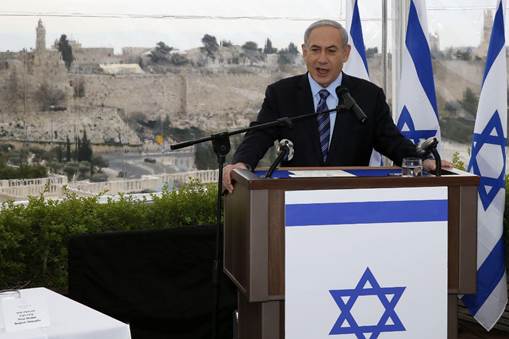
Isreal Prime Minister
If Dachomo succeeds in securing an audience with Netanyahu, the meeting would give his campaign an important international platform. His appeal is essentially for greater international recognition of attacks against Christian communities and stronger pressure for Nigerian authorities to protect vulnerable populations. His choice of Israel is also significant because Israel has historically placed considerable emphasis on documenting and responding to persecution of religious minorities, while Netanyahu has himself spoken strongly about attacks against Christians and religious minorities in different parts of the world. Interestingly, Dachomo’s reported statements about his Israeli trip were broader than an appeal solely for Christians. He said he intended to pray for Muslims and Christians affected by violence, as well as other Nigerians caught up in insecurity. (The Times Nigeria). That reflects the wider reality of Nigeria’s security crisis were Christian communities have experienced severe attacks.