Tochukwu Nicholas Ugwu
Algeria has taken a dramatic step in its foreign policy by announcing that it is severing diplomatic relations with the United Arab Emirates (UAE). Algiers said it had reached the decision after exhausting “all means” and “all available avenues” for preserving bilateral relations. The announcement represents a major deterioration in relations between two influential Arab and African-linked states. It could have consequences extending beyond Algeria and the UAE, particularly in North Africa, the Sahel, Libya, the Western Sahara dispute and the wider Arab world. (AP News)
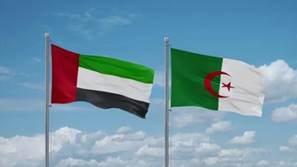
According to Algeria’s Foreign Ministry, the decision followed what Algiers described as a series of increasingly “provocative or hostile actions” by the UAE. Algeria said it had exercised restraint and repeatedly warned Abu Dhabi about the consequences of what it considered unacceptable conduct. The Algerian government said those actions eventually reached a point that could no longer be tolerated within relations between two sovereign states. The UAE ambassador in Algiers was summoned and formally informed of the decision, with 48 hours to leave Algeria. (APS). The announcement did not identify one single incident that triggered the rupture. This is important: the break appears to be the culmination of several years of accumulating disagreements, rather than a dispute over one isolated event. Reuters reported that tensions have increased over regional politics, while Algeria has previously accused an unnamed Gulf state widely understood to be the UAE of interference in its internal affairs. (Reuters). The UAE, for its part, has indicated that it hopes the rupture will be temporary and that the two countries’ “fraternal ties” can eventually be preserved. (AP News). However, this decision has been building up for a while, considering that in February 2026, Algeria began the process of cancelling an air-services agreement with the UAE that had been signed in Abu Dhabi in 2013. Reuters reported that the move occurred amid increasingly strained relations. (The Straits Times). That earlier dispute was an important warning sign. It suggested that the disagreement was moving beyond political rhetoric into practical bilateral relations involving aviation and transportation. The September decision therefore represents a much more serious escalation.
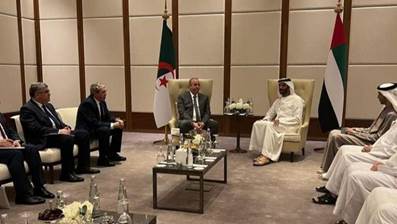
Also, Algeria has generally advocated a political solution to Libya’s conflict and has emphasized the country’s territorial integrity and sovereignty. The UAE, meanwhile, has historically developed relationships with actors in Libya that have placed it on a different side of regional political struggles. Algiers is highly sensitive to developments along its southern borders, especially instability in Mali, Niger and Libya. Any external power expanding its political or security influence in those areas can therefore become a matter of national-security concern for Algeria. Though, Abu Dhabi has spent years building its reputation as an important diplomatic and economic actor across Africa and the Middle East. A rupture with Algeria damages that image because Algeria is one of Africa’s largest countries geographically and one of the continent’s important energy producers. The UAE also risks losing access to economic opportunities in Algeria. However, the UAE has a major advantage because it has diversified relationships across Africa and the Arab world. Therefore, the UAE may be able to absorb the economic consequences more easily than Algeria, particularly if the dispute remains limited to bilateral relations.
 JOSSYN BLOG
Leave a comment