Chinese President Xi Jinping has arrived in New Delhi for the 18th BRICS Summit, marking his first visit to India in nearly seven years. His arrival on 12 September 2026 is one of the most closely watched diplomatic events of the summit because it brings together the leaders of two Asian powers whose relationship has been simultaneously defined by economic interdependence, strategic competition and unresolved border tensions. (Reuters). The visit is particularly significant because Xi’s last visit to India preceded the devastating 2020 Galwan Valley border confrontation, after which relations between Beijing and New Delhi deteriorated sharply. The fact that Xi is now back in the Indian capital suggests that both governments see value in reopening high-level engagement despite the persistence of major disagreements. (Reuters)
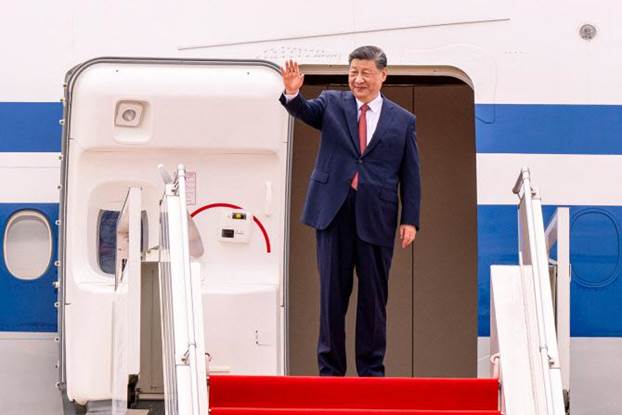
India is hosting the 18th BRICS Summit in New Delhi on 12–13 September 2026, under its BRICS chairmanship. The summit brings together the expanded BRICS membership, including Brazil, Russia, India, China, South Africa, Egypt, Ethiopia, Indonesia, Iran, Saudi Arabia and the United Arab Emirates. (AP News). BRICS has changed dramatically since its original formation. What began as a grouping of Brazil, Russia, India and China has evolved into a much larger Global South platform. The expanded membership gives the organization greater economic and geopolitical weight but also makes consensus more difficult. The 2026 summit therefore provides Xi and Modi with something they badly need: a neutral multilateral environment in which they can meet without presenting the encounter exclusively as an India-China bilateral negotiation.
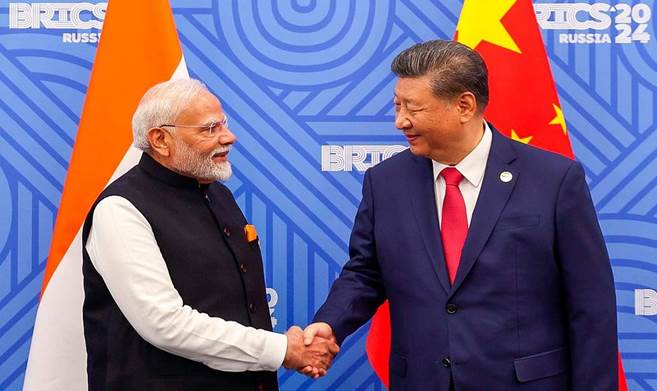
However, the meeting can ensure that two governments have gradually taken steps to reduce tensions. Military disengagement in some disputed areas has helped create conditions for greater diplomatic contact, while restrictions affecting travel, trade and investment have also begun to ease in some areas. Nevertheless, the relationship remains far from normal. (The Indian Express). In the sense, it is still inappropriate to conclude that an alliance will be formed between the two nations. Though, the strategic stabilization of the regions cannot be ruled out as both countries appear to recognize that permanent confrontation would impose significant economic and security costs.
Written By
Tochukwu Nicholas Ugwu
 JOSSYN BLOG
Leave a comment