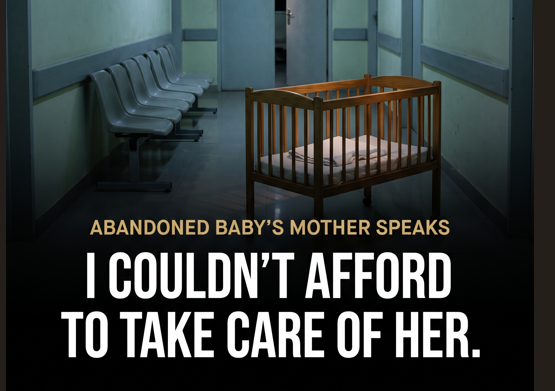
The story broke on September 12, when a one-day-old baby girl was found inside a carton by the roadside in Galadima, Abuja. A Good Samaritan picked her up and took her to the Galadima Police Station. The FCT Police Command publicised the case, and the story went viral.
Nine days later, the mother was found. Her name is Soliat. She is from Oyo State. And her account, given to police off camera at the FCT Police Command in Abuja on Friday, is far more complicated than the viral outrage suggested. (Daily Trust)
Soliat told investigators she was gang-raped by four men in Keffi, Nasarawa State. She became pregnant from the assault. She moved to Abuja to live with her brother, but hid the pregnancy from him because she feared he would throw her out if he found out. She said she lived in shame, knowing she could not determine the child’s paternity. She attempted to terminate the pregnancy, but was unsuccessful. (ThePress)
After she gave birth, she placed the baby in a carton, left her by the roadside, and hid nearby. She watched until a passer-by found the child and took her to the police station. (Valid View Network)
When questioned about why she abandoned her child, her answer was devastating in its simplicity: she could not afford to take care of her. (Newswatch Nigeria)
What the Viral Story Missed
The initial wave of social media reaction focused on the act itself. A mother abandoned her newborn. What kind of person does that? The question is understandable. But it is also incomplete.
Soliat’s account reveals a chain of events where every link tightened the pressure. A violent assault. An unwanted pregnancy she could not terminate. A family situation where disclosure meant homelessness. A birth she had to hide. And then, a child she could not feed.
The FCT Police Public Relations Officer, SP Josephine Adeh, confirmed that neighbours who knew Soliat was pregnant recognised her after the story went viral and confronted her. Under questioning, she admitted the baby was hers. (FCT Police)
A Pattern, Not an Isolated Incident
The Galadima case was not the only one. Police reported it as the third abandoned newborn found in the FCT within roughly two weeks, following separate rescues in Kurudu and Gwagwalada earlier in September. (Valid View Network)
That detail matters. When the same thing happens three times in two weeks in one city, it stops being a story about individual moral failure. It becomes a story about systems.
Nigeria has no functioning social safety net for mothers in crisis. There is no universal child benefit. There is no accessible mental health support for survivors of sexual violence. There is no confidential pathway for a woman who cannot keep a pregnancy secret from a family member who might harm her. The law in Lagos State makes it an offence for a man to abandon a woman he impregnated without contributing to maternity expenses, but enforcement is minimal and the fine is just ₦45,000. (The Whistler)
In Rivers State, a similar case in June 2026 saw the International Federation of Women Lawyers rescue an abandoned infant after interviews with the mother revealed she had left the baby with the father because she lacked resources for basic necessities. (Nigerian Mirror)
The pattern repeats because the conditions that produce it remain unchanged.
The Question Nobody Wants to Ask
The viral story asked: how could a mother abandon her baby?
The more useful question is: what would have happened if she had kept her?
Soliat was living with a brother who did not know she was pregnant. She had no income she mentioned. She had no partner to support her, because the pregnancy resulted from a gang rape. She had already tried and failed to access an abortion, which remains legally restricted in Nigeria except to save the mother’s life.
If she had brought the baby home, she would have had to explain the pregnancy to her brother. She would have had to find money for formula, nappies, and medical care. She would have had to do this while processing the trauma of sexual violence and the shame she described.
That is not a justification for abandonment. It is an explanation of how a person reaches that point.
What Happens to Soliat Now
The baby is in the care of the Social Welfare Department of the FCT Administration. Investigations continue. It is not yet clear whether Soliat will face charges. (Daily Trust)
Child abandonment is a criminal offence in Nigeria. But the case also raises questions about what the state’s responsibility is to women who find themselves in Soliat’s position. Punishment without support does not prevent the next abandonment. It just guarantees the next woman will hide better.
The FCT Police have appealed for information that could reunite other abandoned infants with their families. That appeal is worth taking seriously. But the larger work, building support systems that catch women before they reach the roadside, remains undone.