The United States has dramatically escalated its economic pressure on Iran by threatening to make it effectively impossible for Iranian commercial airlines to operate internationally from Wednesday, September 23, 2026. U.S. Treasury Secretary Scott Bessent said Washington would use the threat of secondary sanctions against foreign airports, fuel suppliers, ticketing companies and other aviation-service providers that continue doing business with Iranian carriers. (Al Jazeera).
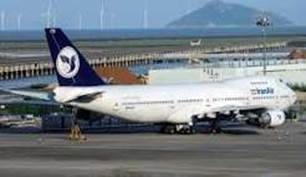
Iranian airline hanger
The measure is part of the Trump administration’s broader “Operation Economic Outcast”, which seeks to restrict Iran’s access to international financial and commercial networks. Speaking to CNBC on September 21, Bessent said that “all the Iranian airlines will be shut down around the world” from September 23. His warning was directed not only at Iranian airlines but also at the international companies that make their operations possible. According to Bessent, if an Iranian aircraft lands at a foreign airport, companies providing it with fuel, landing services or ticket sales could face U.S. sanctions and potentially lose access to the U.S. dollar financial system. (Al Jazeera). This is important because the United States does not necessarily have to physically prevent Iranian aircraft from flying. Instead, Washington is attempting to make international companies unwilling to service them.

U.S.A Treasury Sanction
Secondary sanctions are sanctions designed to pressure companies and individuals outside the United States to stop doing business with a sanctioned country or entity. For an international airline or airport operator, losing access to the U.S. dollar system can be extremely consequential because international aviation involves dollar-denominated payments, insurance, leasing, banking and other financial services. The Treasury has explicitly warned foreign companies that support Iran’s aviation sector that they could face serious consequences. (U.S. Department of the Treasury). The U.S. warning could affect virtually every part of an international Iranian airline’s operation.
The latest warning did not appear suddenly. On September 8, 2026, the U.S. Treasury Department announced a major sanctions package targeting Iran’s aviation industry. Treasury’s Office of Foreign Assets Control (OFAC) sanctioned 36 targets for allegedly supporting Iran’s aviation sector. Washington accused Iran’s commercial aviation network of being used to transport weapons, personnel and illicit cargo and said some foreign intermediaries were helping Iran obtain U.S.-origin aircraft and sensitive aviation technology. (U.S. Department of the Treasury). The Treasury also targeted companies in third countries that it said supported Mahan Air, an Iranian airline that has been under U.S. sanctions for years. Treasury Secretary Bessent warned at the time that companies doing business with Iran’s remaining airlines risked being cut off from the global financial system. (U.S. Department of the Treasury).

Mahan Air Line
However, Mahan Air is one of Iran’s major commercial carriers and has been a particular focus of U.S. sanctions. According to the U.S. Treasury, Mahan Air was designated in 2011 under counterterrorism authorities over alleged support for Iran’s Islamic Revolutionary Guard Corps-Quds Force. The United States later imposed additional sanctions on the airline under weapons-proliferation authorities. (U.S. Department of the Treasury). Washington alleges that Mahan Air has been involved in transporting personnel and equipment connected to Iranian military activities. The airline disputes the U.S. characterization and has continued operating despite years of sanctions.