Few things worry an expectant mother more than being told she needs a medical scan. Questions about safety are entirely understandable: Will the examination harm the baby? Should the test be postponed or avoided altogether? Fortunately, the evidence is reassuring. Most imaging examinations commonly performed during pregnancy are considered safe, and even those involving ionising radiation generally present a very low risk when medically justified.
Many patients feel anxious about entering a radiology department because of fears surrounding radiation exposure. During pregnancy, these concerns are often heightened by a natural desire to protect the unborn child from any potential harm. Unfortunately, these understandable emotional concerns have contributed to widespread misconceptions and misleading information about medical imaging among the general public. As a result, many expectant mothers may overestimate the risks associated with diagnostic imaging while underestimating the risks of delayed diagnosis and treatment.
In reality, the radiation doses associated with most diagnostic imaging examinations are extremely low and typically well below levels known to cause fetal harm. Modern medical imaging is highly regulated, evidence-based, and performed according to strict safety principles. Understanding the difference between perceived risk and actual risk can help expectant mothers make informed decisions with confidence.
Why Imaging May Be Necessary During Pregnancy
Medical imaging plays a vital role in monitoring both maternal and fetal health. It can help assess fetal growth and development, investigate abdominal pain, evaluate injuries, diagnose infections, or detect potentially serious conditions such as blood clots.
Importantly, delaying or avoiding appropriate imaging can sometimes pose a greater risk to both mother and baby than the examination itself. Accurate diagnosis allows healthcare professionals to provide timely treatment and ensure the safest possible pregnancy outcomes.
Ultrasound: The Preferred First-Line Examination
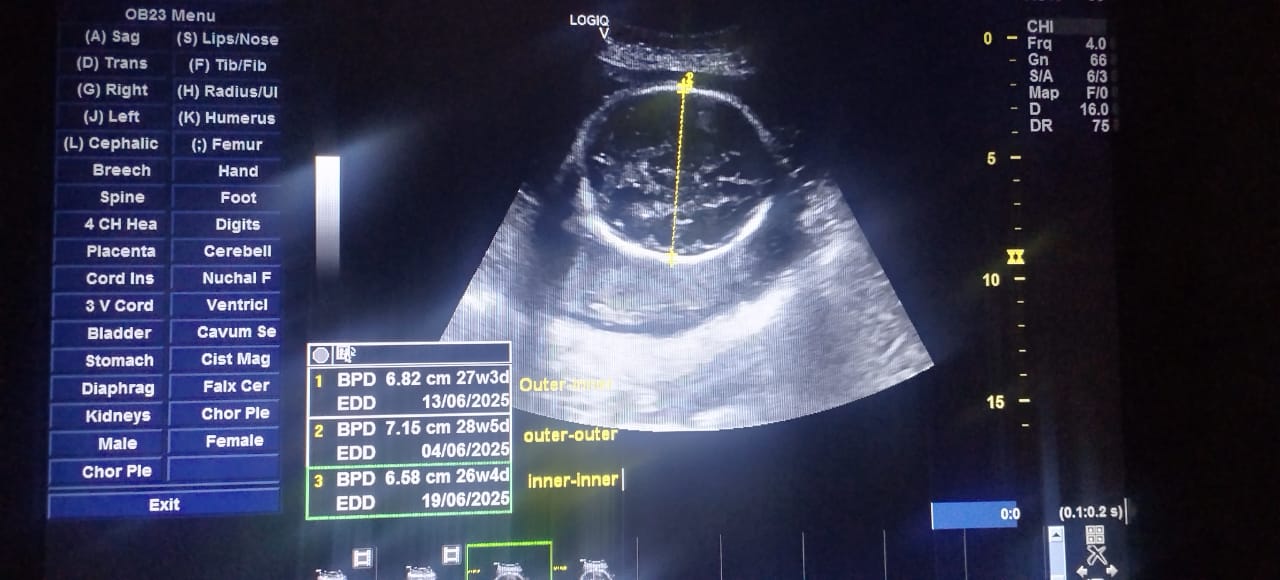
Ultrasound is the most commonly used imaging modality during pregnancy. It uses high-frequency sound waves to produce images and does not involve ionising radiation.
Fetal ultrasound scan (sonogram)
For decades, ultrasound has been used safely to monitor pregnancy and assess fetal wellbeing. It is widely regarded as the imaging modality of choice because it provides valuable diagnostic information without exposing the mother or baby to radiation.
Fetal Head Measurement
However, ultrasound should still be performed only when clinically indicated and by appropriately trained healthcare professionals. While there is no evidence that diagnostic ultrasound harms the fetus, professional organisations recommend prudent use to ensure examinations remain medically justified.
MRI: Detailed Imaging Without Radiation
Magnetic Resonance Imaging (MRI) uses powerful magnets and radiofrequency waves to create highly detailed images of the body’s internal structures. Like ultrasound, MRI does not use ionising radiation.
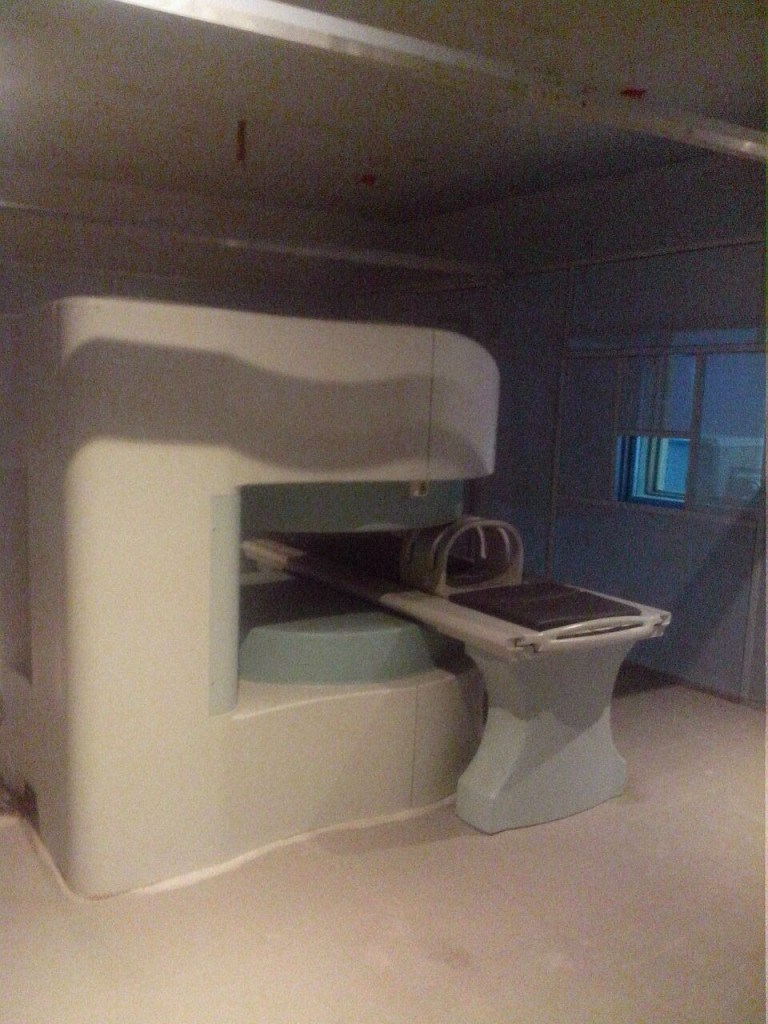
MRI scanner
MRI may be recommended when ultrasound cannot provide sufficient information, particularly when evaluating complex maternal or fetal conditions. Current evidence suggests that MRI is safe during all stages of pregnancy when clinically justified.
X-rays and CT Scans: Understanding the Risks
The greatest concern for many expectant mothers relates to examinations that use ionising radiation, such as X-rays and Computed Tomography (CT) scans.
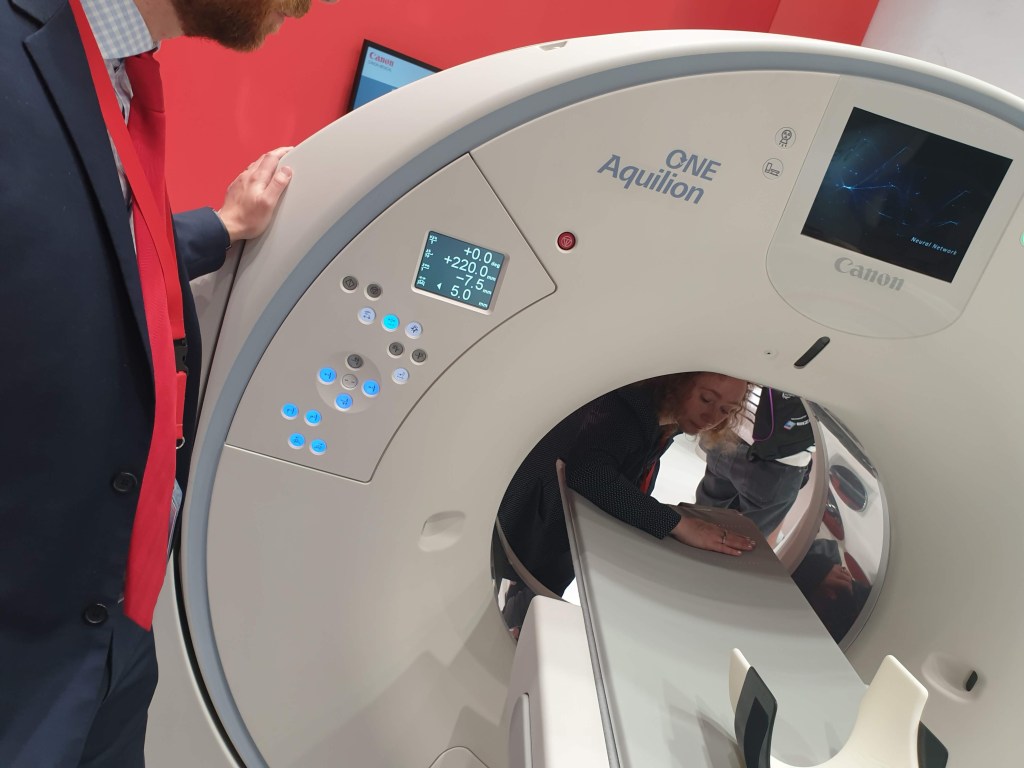
CT Scanner
While radiation exposure should always be minimised, it is important to understand that most diagnostic imaging procedures expose the fetus to radiation levels far below those associated with harmful effects.
For example:
- Chest, dental, and limb X-rays typically result in extremely low fetal radiation exposure.
- CT scans of the head, neck, and chest generally expose the fetus to negligible radiation because the uterus is not directly within the imaging field.
- CT examinations involving the abdomen or pelvis may expose the fetus to higher levels of radiation and are therefore requested only when clinically necessary and when alternative imaging methods are unlikely to provide the required diagnostic information.
Radiology departments carefully optimise imaging protocols to ensure that the lowest radiation dose capable of producing diagnostic-quality images is used.
It is important to emphasise that occasional diagnostic imaging examinations involving radiation present a very small risk to the developing fetus. The radiation exposure associated with most medically indicated X-rays and CT examinations remains significantly below levels associated with fetal developmental abnormalities, pregnancy loss, or growth restriction. Consequently, expectant mothers should not decline necessary imaging solely because of fear of radiation exposure.
Why You May Not Receive a Lead Apron
Many people remember routinely wearing lead aprons during X-ray examinations. However, current professional guidance increasingly recommends against the routine use of fetal shielding.
Research has shown that shielding often provides little additional protection and may sometimes interfere with image quality or automatic exposure controls. Consequently, not receiving a lead apron does not mean that safety standards are being compromised.
Nuclear Medicine Examinations
Nuclear medicine procedures involve the administration of small amounts of radioactive materials (radiopharmaceuticals). Some examinations can be safely performed during pregnancy when clinically necessary, while others require special consideration.
Radioactive iodine is generally avoided during pregnancy because it can affect the developing fetal thyroid gland. If a nuclear medicine examination is being considered, specialist advice will typically be sought to ensure the safest approach.
Always inform healthcare professionals if you are pregnant, think you may be pregnant, or are trying to conceive before undergoing any nuclear medicine procedure.
Imaging While Breastfeeding
Most imaging examinations, including ultrasound and MRI, can be performed safely while breastfeeding.
If contrast media or radiopharmaceuticals are required, your radiologist or healthcare team will advise whether any temporary precautions are necessary. In many cases, breastfeeding can continue normally after standard imaging procedures.
Practical Tips for Expectant Mothers
Always Inform Healthcare Professionals
Tell your doctor, radiographer, dentist, or any healthcare provider if you are pregnant or think you might be pregnant.
Ask Why the Examination Is Needed
Understanding the clinical reason for the scan can help you make informed decisions. Consider asking:
“How will this examination influence my treatment or care?”
Avoid Delaying Urgent Imaging
In many situations, untreated illness or delayed diagnosis poses a greater risk than the imaging examination itself.
Choose Medically Indicated Imaging
Avoid unnecessary keepsake scans and rely on examinations performed by qualified healthcare professionals.
Discuss the Use of Contrast Agents
If contrast material is recommended, ask whether it is essential and what alternatives may be available.
Don’t Panic About Previous Exposure
If you underwent an X-ray before realising you were pregnant, speak with your healthcare provider. In the vast majority of cases, diagnostic imaging exposures are far below levels associated with fetal harm.
Frequently Asked Questions
Can an ultrasound harm my baby?
Current evidence indicates that diagnostic ultrasound is safe when used appropriately by trained healthcare professionals.
Is MRI safe during pregnancy?
Yes. MRI does not use ionising radiation and is generally considered safe during pregnancy when clinically indicated.
Should I refuse an X-ray if I am pregnant?
Not necessarily. Many diagnostic X-rays expose the fetus to extremely low radiation doses. The benefits of obtaining important diagnostic information often outweigh the minimal risks.
What if I accidentally had an X-ray before knowing I was pregnant?
This is a common concern. Most diagnostic X-rays result in fetal exposures far below levels associated with harmful effects. Your healthcare team can assess the estimated dose and provide reassurance.
The Bottom Line
For most expectant mothers, medical imaging during pregnancy is remarkably safe. Ultrasound and MRI are generally the preferred imaging modalities because they do not involve ionising radiation. When X-rays or CT scans are medically necessary, the radiation doses are usually well below levels associated with fetal harm, and every effort is made to minimise exposure.
While concerns about radiation exposure during pregnancy are entirely understandable, it is important to distinguish between perceived risk and actual risk. Fear of radiation has contributed to significant public anxiety and, in some cases, the spread of inaccurate information regarding medical imaging. However, the scientific evidence consistently demonstrates that occasional medically indicated diagnostic imaging examinations expose the fetus to radiation levels far below those known to cause developmental abnormalities or pregnancy loss.
Expectant mothers should feel reassured that modern imaging practices prioritise patient safety and that decisions to perform imaging are made carefully, with the wellbeing of both mother and baby at the forefront. The key principles remain clinical necessity, dose optimisation, and open communication with your healthcare team. If you are anxious about a recommended scan, discuss your concerns with your doctor, radiographer, or radiologist so that you can make an informed decision based on evidence rather than fear or misinformation.
Disclaimer: This article is intended for educational purposes only and should not be used as a substitute for professional medical advice, diagnosis, or treatment. Always consult your healthcare provider regarding your individual circumstances.
Sources and Further Reading
American College of Obstetricians and Gynecologists. (2017, reaffirmed 2026). Guidelines for Diagnostic Imaging During Pregnancy and Lactation (Committee Opinion No. 723). ACOG. [acog.org]
American Institute of Ultrasound in Medicine. (2024). AIUM Practice Parameter for the Performance of Standard Diagnostic Obstetric Ultrasound. AIUM. [onlinelibr….wiley.com]
Radiological Society of North America. (2026). Statement on Safety of the Developing Fetus in Medical Imaging During Pregnancy. RSNA. [rsna.org], [rsna.org]
U.S. Food and Drug Administration. Avoid Fetal “Keepsake” Images and Heartbeat Monitors. FDA. [fda.gov]
American Pregnancy Association. Keepsake Ultrasounds. American Pregnancy Association. [americanpr…gnancy.org]